How to Pick Fruit at the Shuk: Watermelon, Mango, Avocado & More
Shukshuk team
At the shuk nothing comes with a "ready to eat" sticker, you get your hands, your nose and your ears instead. These are the tells the vendors use themselves: not a guarantee, but they tilt the odds in your favor. Jump to the fruit you came for, or scroll through them all.
Watermelon
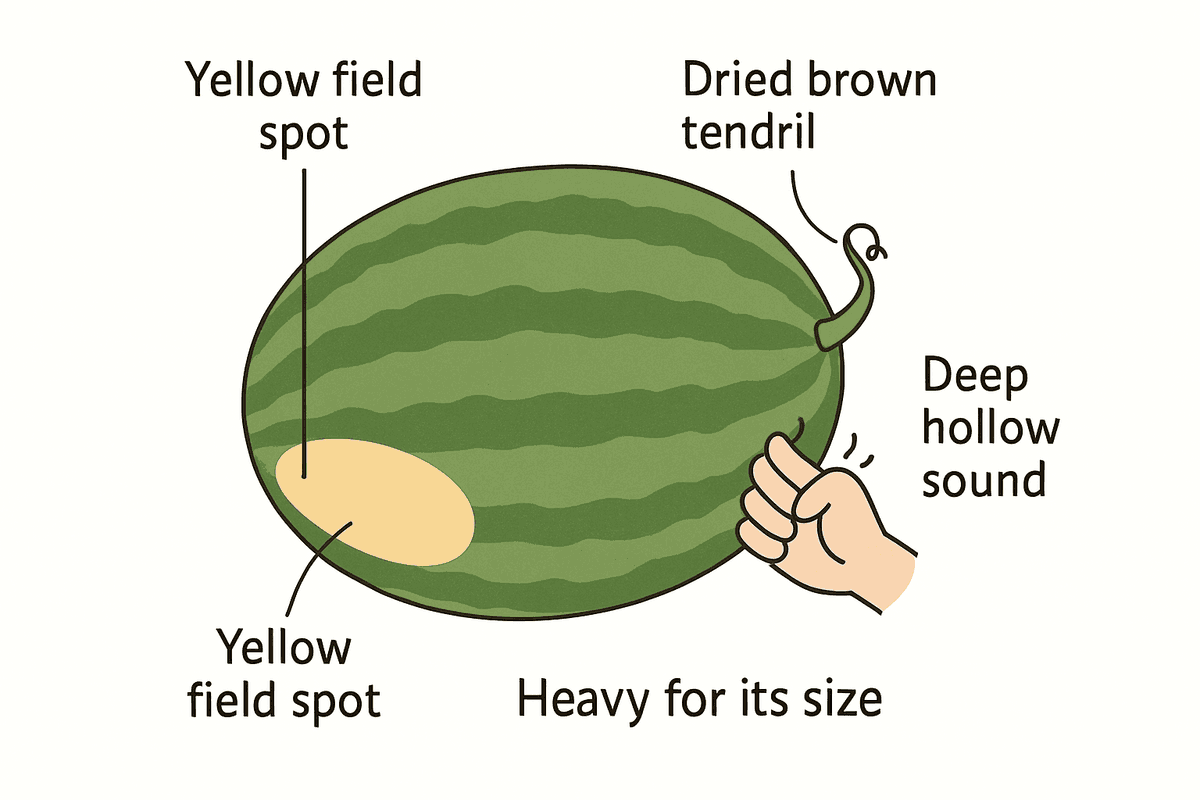
Start with the field spot, the patch where the melon rested on the ground. A creamy yellow spot means it sat in the sun long enough to ripen; a white or greenish one usually means it was picked early. Then knock it: a deep, hollow sound is the traditional tell for a ripe watermelon, while a dull, dead thud suggests fruit that is either not there yet or already past it. Pick it up as well, a good watermelon feels heavy for its size, because it is almost entirely water. Two last signs: the dried brown tendril near the stem, and a dull rind rather than a shiny one.
Melon
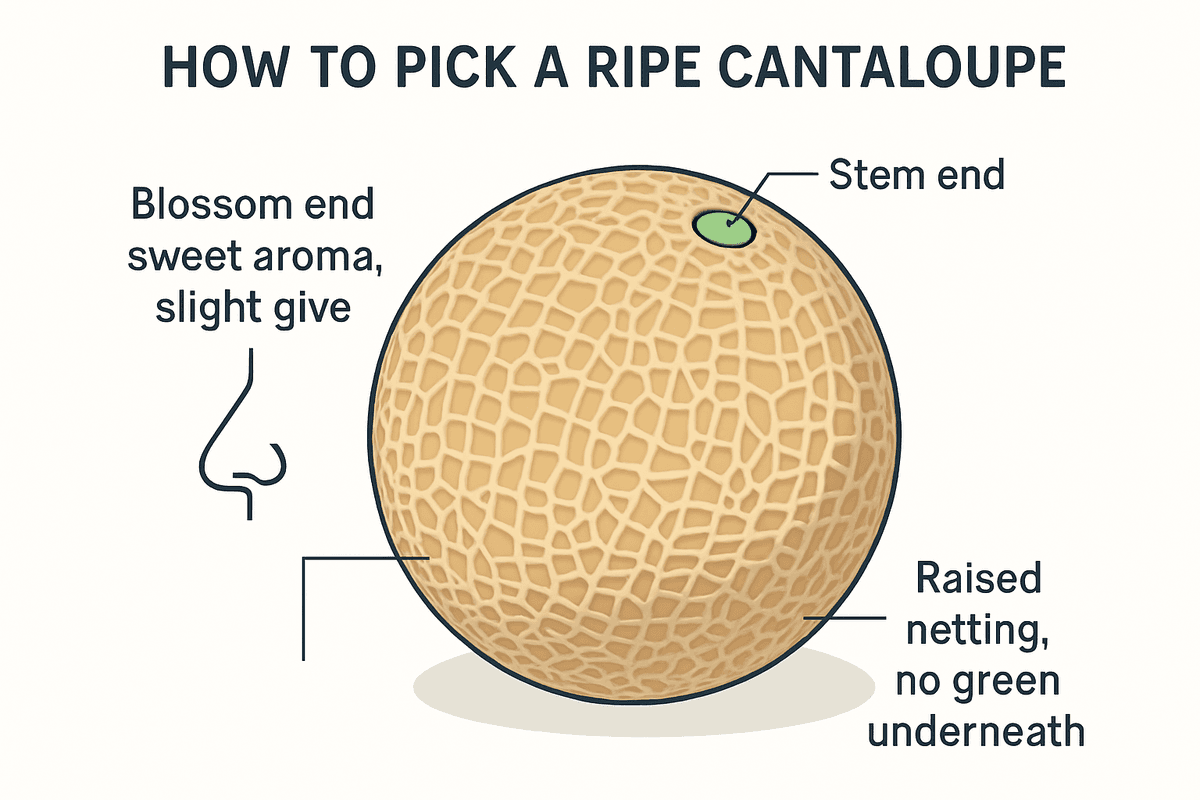
Melons are chosen mostly by nose. Smell the blossom end, the end opposite the stem, where the flower was: a clear, sweet aroma is the traditional tell for a ripe melon, and no smell at all almost always means no flavor. Press that same end gently; a little give is a good sign, real softness is too far gone. Weight helps here too, heavy for its size suggests a juicy fruit. On netted varieties such as Galia, look for pronounced, even netting across the whole rind with no green peeking through underneath: green under the net usually means it was cut early.
Mango
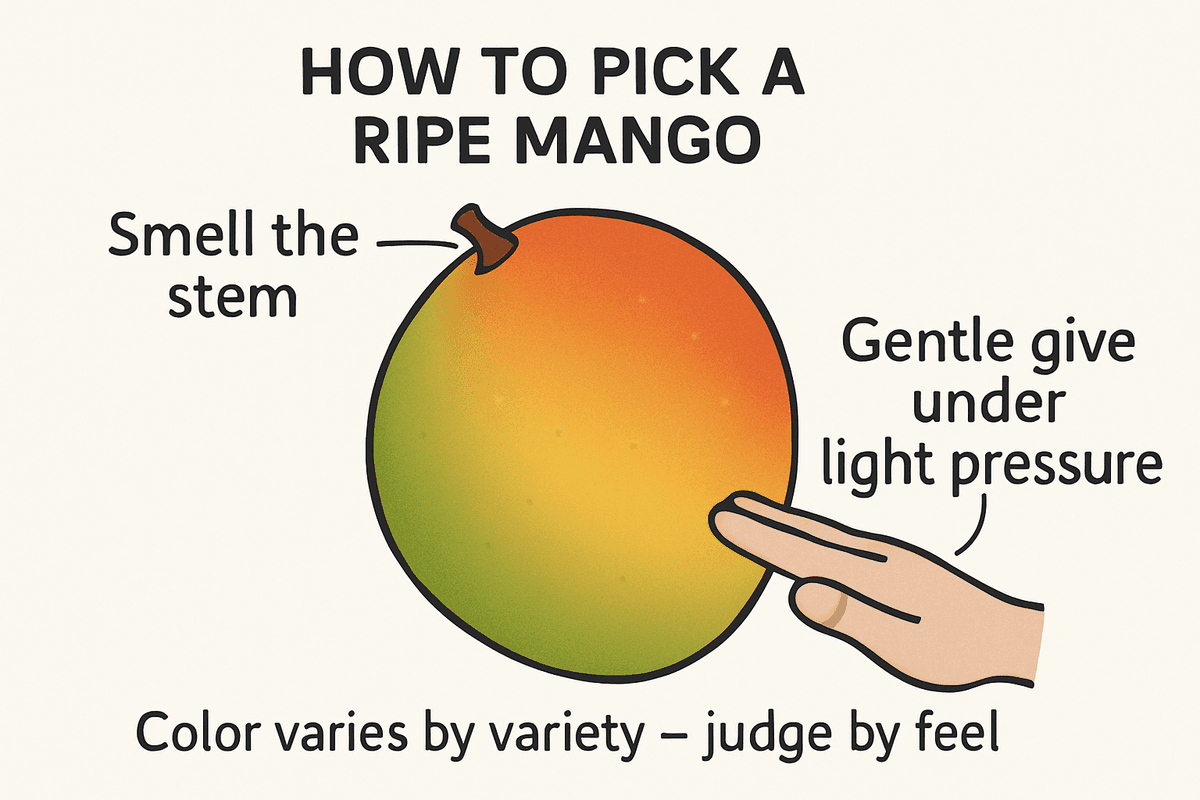
Never judge a mango by color, some varieties stay green when fully ripe, and others blush red long before they are ready. Judge by feel instead: a gentle press with your palm should feel like a ripe avocado, a slight give with no collapse. Smell the stem end, too: a sweet, obvious fruit aroma there is the most reliable tell you get. Look for plump, filled-out shoulders rather than a flat, thin fruit, and skip anything wrinkled or carrying soft, bruised patches. A hard mango is no disaster: leave it on the counter at room temperature and it will ripen in a few days.
Avocado
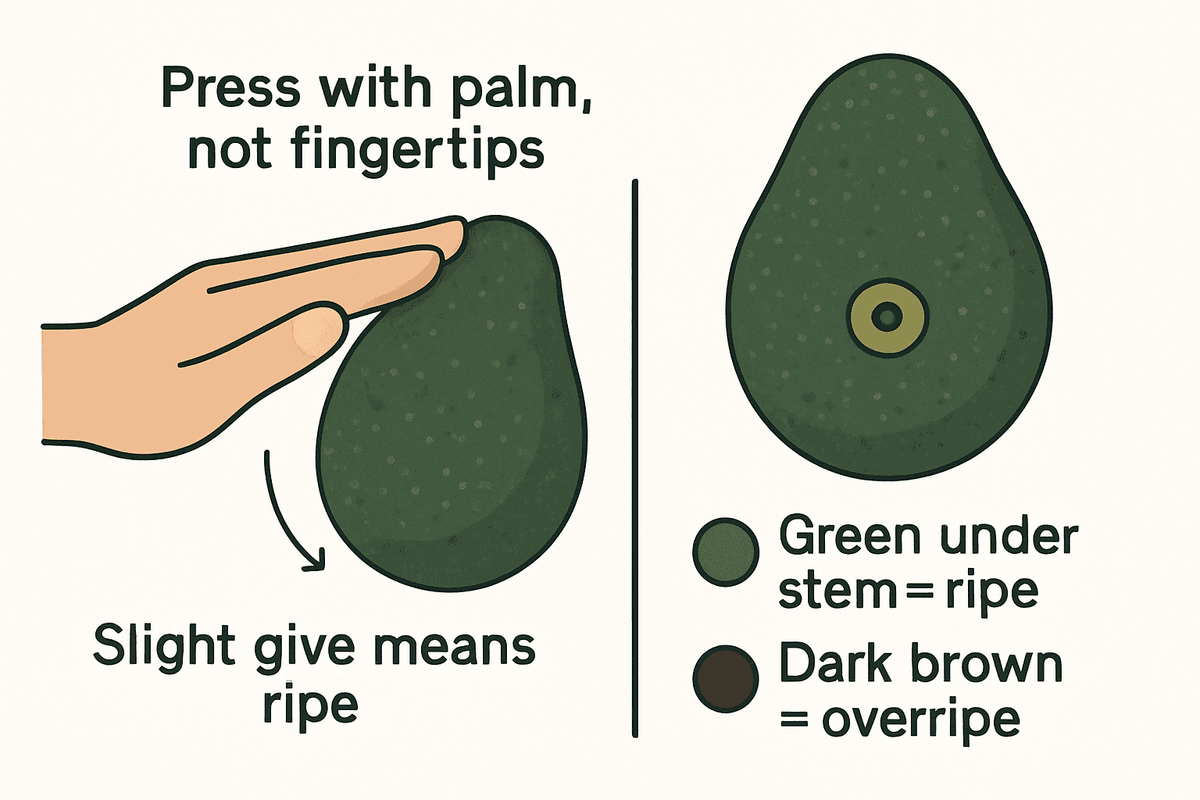
Press an avocado with your palm, never with your fingertips: fingertips bruise the flesh and those bruises turn into black patches, even if you end up not buying it. An even, slight give means it is ready to eat today. The second check is the little stem plug at the top: flick it off with a fingernail. Green underneath means ripe; dark brown means it has most likely gone past it inside; if it will not budge, it simply is not there yet. The safe play is to buy firm fruit and ripen it at home in a paper bag, so you know exactly when it lands.
Figs
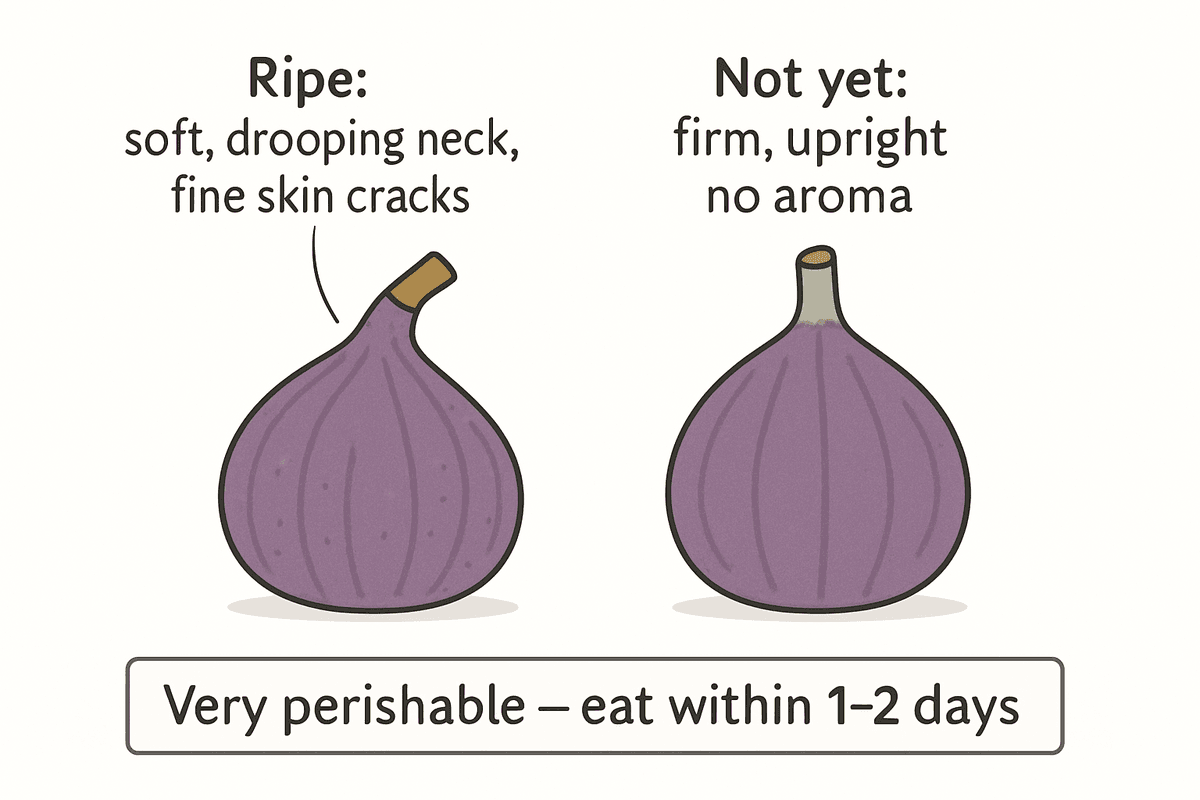
A ripe fig is a soft fig. The prettiest tell is the drooping neck: the end near the stem bends slightly and the fruit seems to bow its head. A sweet smell is a good sign, and so are the fine cracks in the skin: they look like a flaw but usually mean sugar. A sour or fermented smell means the fig is past it. Remember that figs are among the most fragile things in the market: they crush in the bag, keep deteriorating at home, and rarely last more than a day or two. Buy a small quantity, ask for a separate bag, and never stack them deep.
Grapes
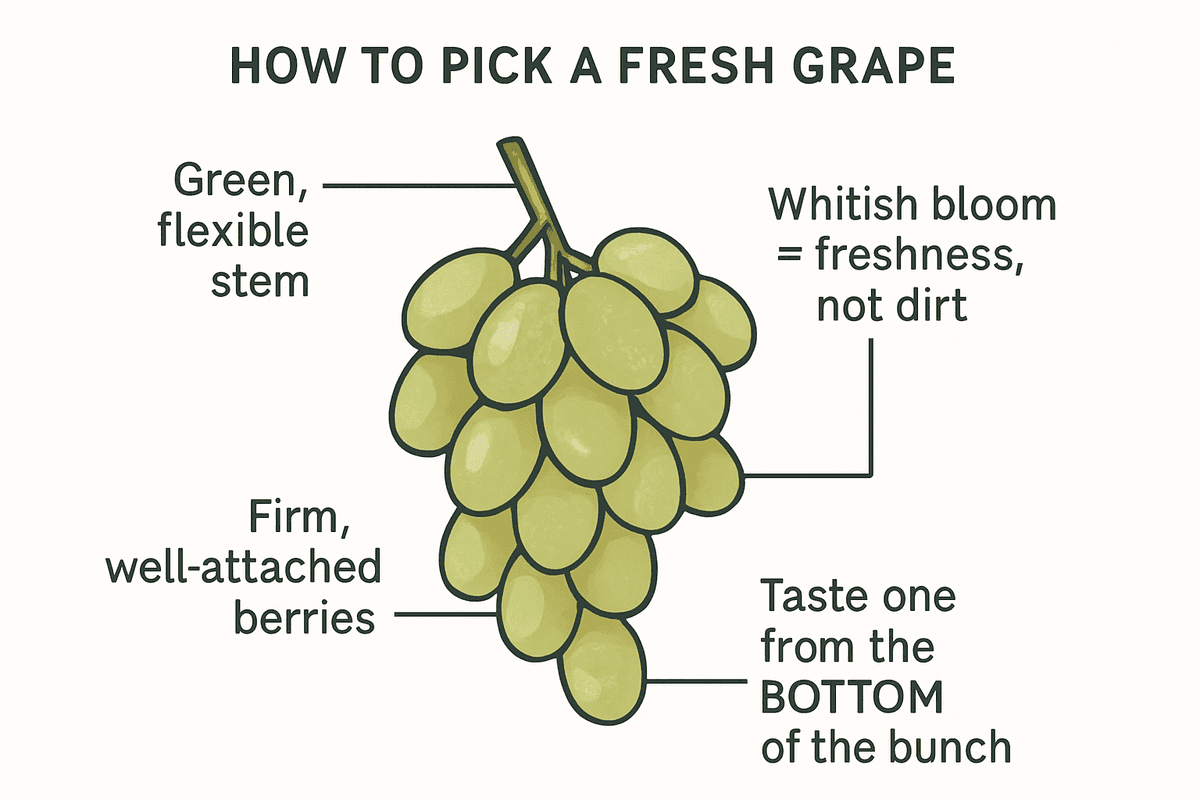
With grapes, look at the stem of the bunch first: green and flexible means fresh, brown and brittle means it has been sitting for days. The whitish powdery bloom on the berries is a freshness sign, not dirt, so do not go hunting for polished-looking grapes. The berries should be firm and well attached, if a few drop when you lift the bunch, it is an old one. Most important of all: grapes do not ripen after picking, so a sour bunch stays sour. Ask to taste one berry, and take it from the bottom of the bunch, where they sweeten last.
Pomegranate
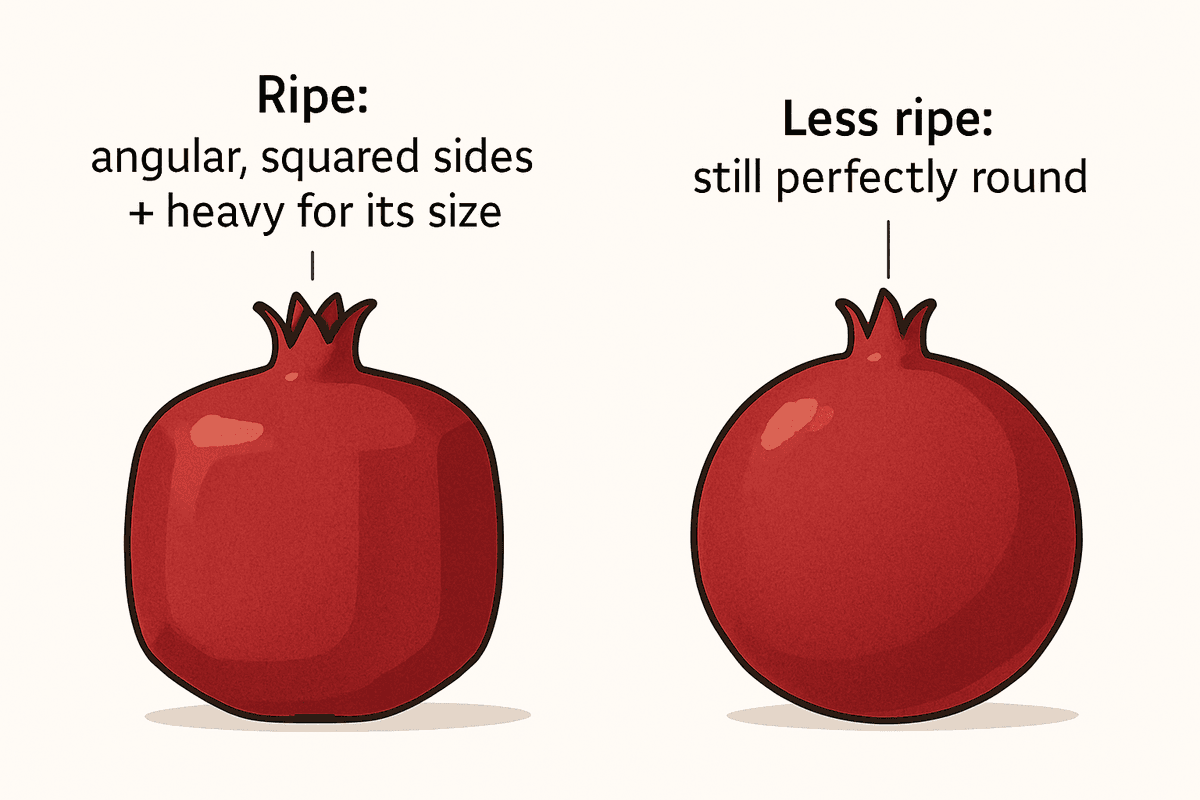
A good pomegranate feels almost too heavy for its size, that weight is arils full of juice, and it is the most reliable tell there is. Shape comes next: a ripe pomegranate loses its roundness and the sides flatten into slightly squared, angular faces, because the arils inside are pushing outward. The skin should be taut and smooth, with no splits, nicks or soft spots. Color you can largely set aside: some varieties go deep red, others stay pinkish or yellowish while being excellent inside. The weight does not lie; the color sometimes does.
Tomatoes
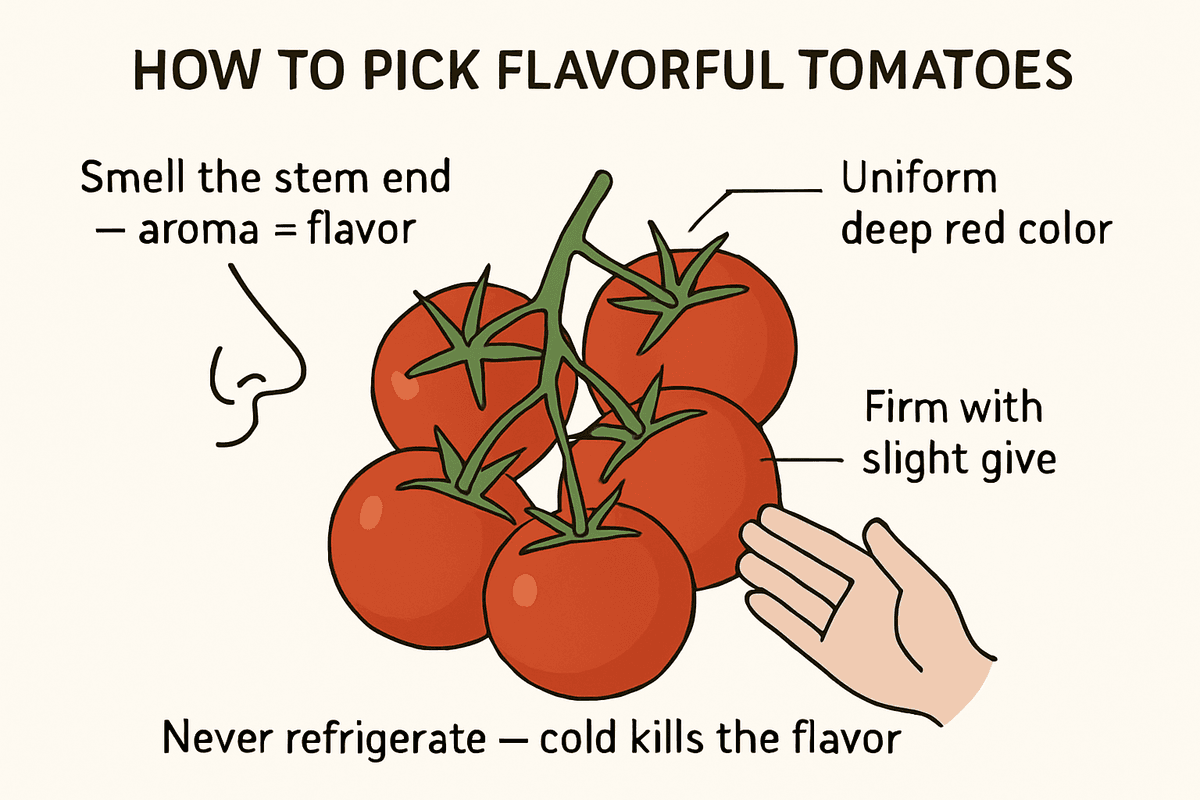
The tomato is the easiest fruit to get wrong, because it keeps looking good long after the flavor has gone. Smell the stem end, a clear, earthy tomato smell is the traditional tell, and if there is no aroma there is most likely no taste either. Look for deep, even color with no green shoulders, a firm texture with a slight give, and good weight for the size. Then comes the part most shoppers get wrong, storage: cold kills a tomato aroma and ruins its texture. A tomato you care about stays on the counter at room temperature, not in the fridge.
FAQ
When is watermelon season in Israel?
Watermelon peaks in Israel roughly from May through September, with the hot months in the middle being the best of it. Melons overlap for most of that window, roughly April through September. Outside those months you can still find watermelon at the market, but it will cost more and your odds of hitting a genuinely sweet one drop. The ranges shift by a few weeks from year to year depending on the weather and the growing region.
When are mango and fig season?
Mango runs roughly July through October, figs roughly June through September, and pomegranates roughly August through December: which is why they are on every table around Rosh Hashanah. Avocado is the odd one out, a cool-season fruit running roughly September through May. These are general ranges only, and they move by a few weeks depending on the variety, the region and that particular year weather.
Shuk or supermarket, which is actually better?
It depends what you value. The shuk usually wins on fruit that is ripe today, on the range of varieties, and on price, especially late in the day. The supermarket wins on consistency, on an unbroken refrigeration chain, and on buying small quantities without haggling. The real difference is that at the shuk you choose each piece yourself, which is exactly why the tells in this guide are worth more there. They work in both places, though.